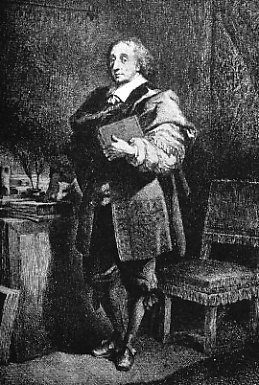
Nicolas Malebranche
    Back to Cabinet
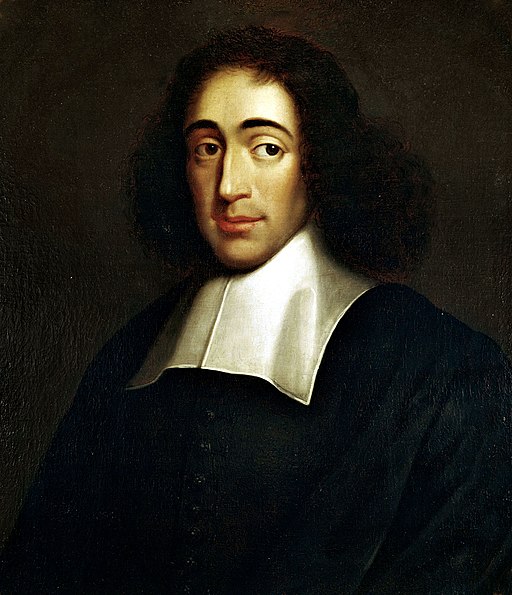
    Nicolas Malebranche

    Nicolas Malebranche(1638–1715)

    French Oratorian philosopher and a major figure in post-Cartesian rationalism. He is best known for the doctrine of 'vision in God,' arguing that human knowledge depends on divine ideas rather than private mental images.

    Read by Alcott (see Alcott's Library)

    2 titles in the Cabinet

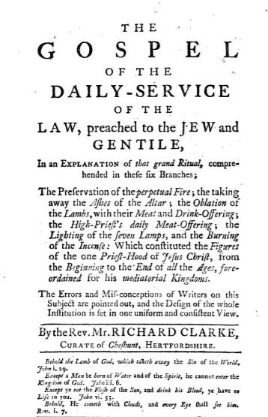
    Christian Conferences

    Full title: Christian conferences demonstrating the truth of the Christian religion and morality

    The Dial's edition: London, 1695

    A work of Christian apologetics and moral theology cast as 'conferences' (didactic conversations) that aims to show the rational credibility of Christianity and the ethical force of its moral teaching. English editions commonly append Malebranche's Meditations on humility and repentance, reinforcing the book's practical, reformative orientation alongside its argumentative aims.

    Full textSurvives at Houghton Library

    Read by Alcott (see Alcott's Library)

    Search after Truth

    Full title[show]

    Malebranch's Search after truth, or, A treatise of the nature of the humane mind and of its management, for avoiding error in the sciences : to which is added the authors defence against accusations of Monsieur de la Ville : also the life of Father Malebranch, of the oratory at Paris, with an account of his works, and several particulars of his controversie with Monsieur Arnaud Dr. of Sorbonne, and Monsieur Regis ...

    The Dial's edition: London, 1695

    Malebranche's major philosophical project (originally 1674–75) analyzing the powers and limits of the human mind and prescribing methods for avoiding error in the sciences and in everyday judgment. It develops his characteristic 'ideas in God' epistemology and is the central text for understanding his Cartesian-influenced metaphysics and his account of how cognition, sensation, imagination, and the passions mislead—and can be disciplined by reason.

    Full textSurvives at Houghton Library

    Read by Alcott (see Alcott's Library)