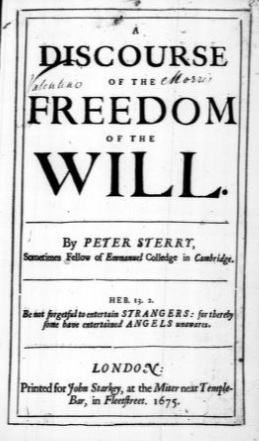
Amoris Effigies, of Waring
Full title: The picture of love unveil'd: being an answer to one, who was very inquisitive to know what love was
The Dial's edition: London, 1744
An English translation of Robert Waring's Latin Amoris effigies.
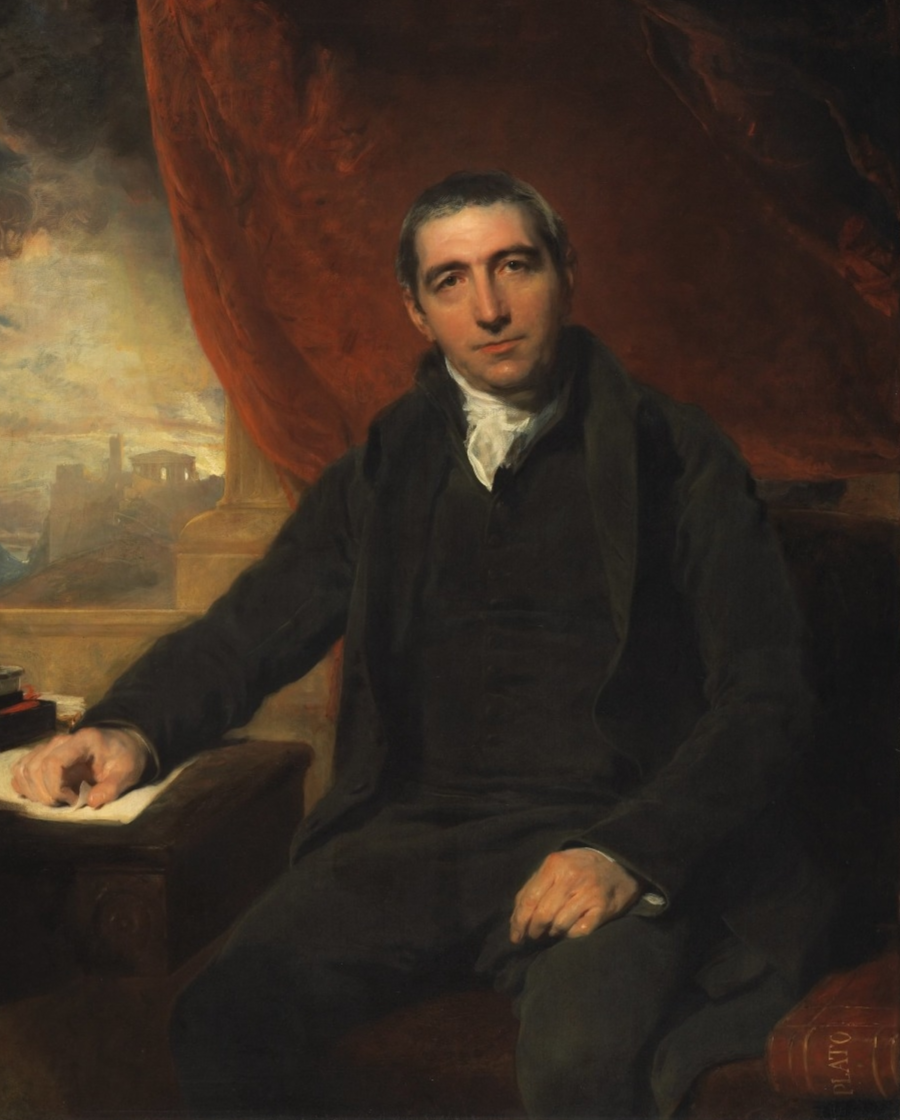
Anglican priest and philosopher, educated at Winchester and Exeter College, Oxford, remembered as the foremost English follower of the French Cartesian philosopher Nicolas Malebranche. He wrote extensively on love, the intelligible world, and the relation between mind and God, often blending devotion with philosophy.
Read by Alcott (see Alcott's Library)
4 titles in the Cabinet
Full title: The picture of love unveil'd: being an answer to one, who was very inquisitive to know what love was
The Dial's edition: London, 1744
An English translation of Robert Waring's Latin Amoris effigies.
An essay towards the theory of the ideal or intelligible world. Design'd for two parts. The First considering it Absolutely in it self, and the Second in Relation to Human Understanding
The Dial's edition: London, 1701
The volume sets out Norris's case that there is an eternal, necessary 'ideal world' of intelligible realities—ultimately grounded in God—and that this realm is more stable and knowable than the shifting world of sense. Treats the intelligible world 'absolutely in it self,' presenting a sustained alternative to accounts of knowledge that prioritize sensory experience.
Read by Alcott (see Alcott's Library)
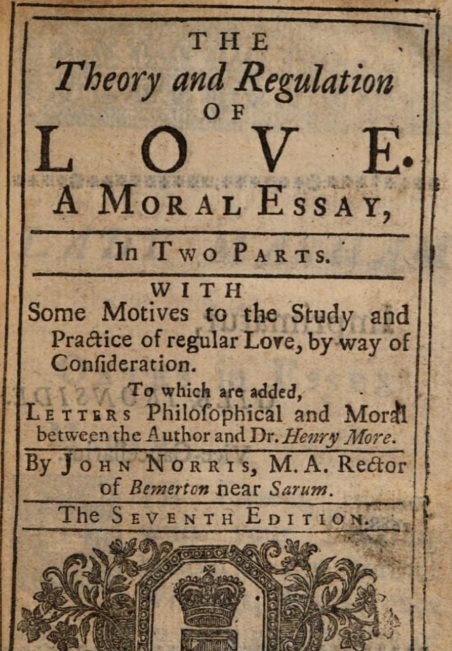
The theory and regulation of love A moral essay, in two parts. With some motives to the study and practice of regular love, ... To which are added, letters philosophical and moral between the author and Dr. Henry More
The Dial's edition: London, 1723
A systematic account of what love is and how it should be governed: Part I defines love and divides it into love of desire/concupiscence and love of benevolence, even drawing an analogy between love and motion (including the motion of the heart); Part II then lays out the 'measures' for regulating desire and benevolence in practice—covering pleasure, mortification, self-love, charity, and friendship—followed by 'motives' and a prayer.
The Dial's edition: London, 1739
Digital copy not yet located.
Digital copy not available