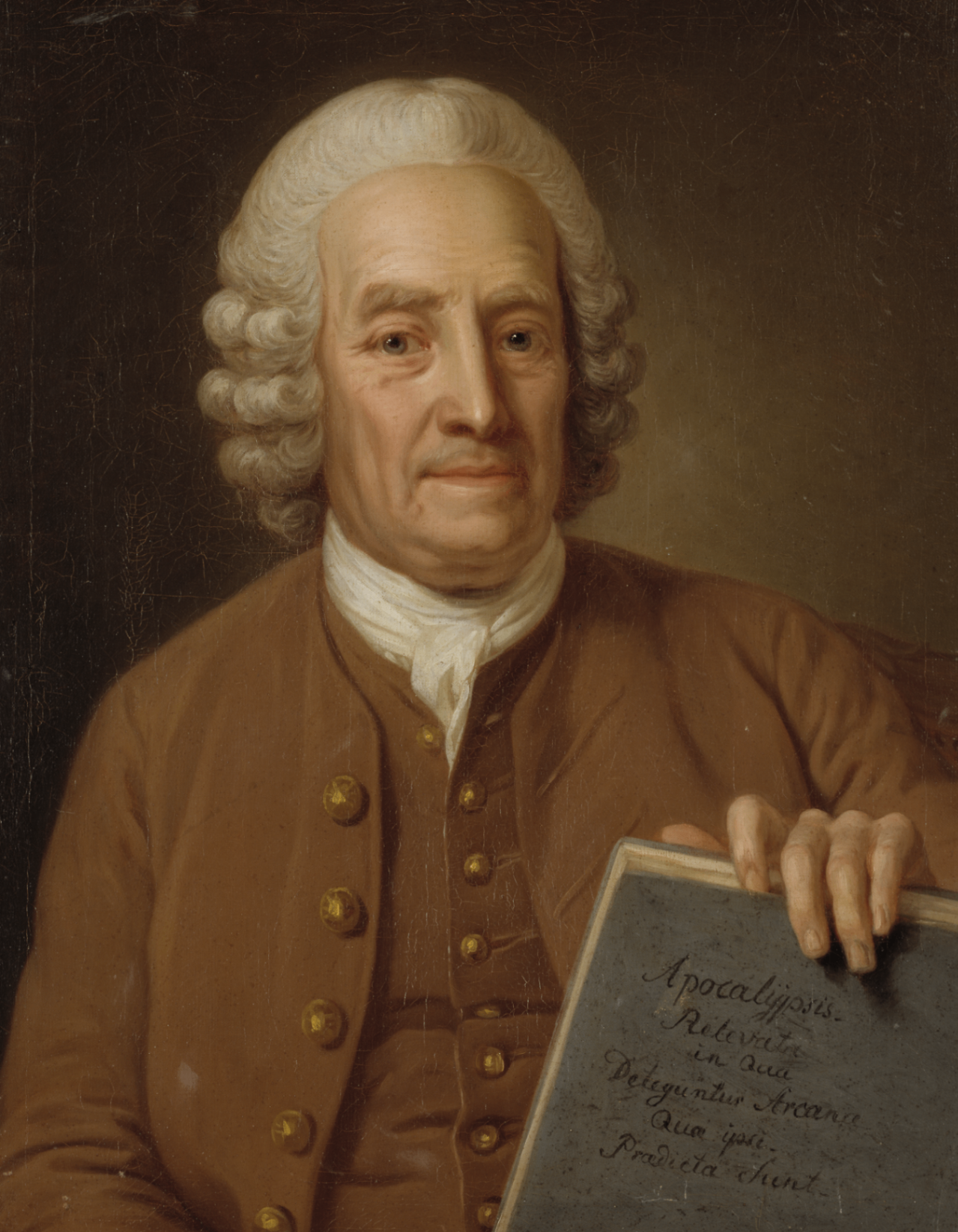
Full title: Arcana Cœlestia
The Dial's edition: Precise edition unknown.
A multi-volume exposition of Genesis and Exodus that reveals the inner, spiritual sense of the Bible through the law of correspondences, describing the process of human spiritual development and the nature of the afterlife.
Full title: A Treatise concerning Heaven and its Wonders, and also concerning Hell ... A new translation
The Dial's edition: London, 1823
Based on what Swedenborg claimed were divine revelations, the book provides a detailed account of the afterlife—describing how people live after physical death. Swedenborg presents Heaven and Hell as real places where angels and spirits, all former humans, experience active lives in environments that reflect their inner states. The work explores fundamental questions about God's nature, the fate of souls, and the spiritual forces that draw people toward Heaven or Hell.
Full title: The heavenly doctrine of the New Jerusalem, as revealed from heaven
The Dial's edition: London
A compact doctrinal summary of Swedenborg's mature theology, presenting the 'New Church' teaching as a set of interlocking principles rather than visionary narrative. It lays out core topics such as God and the Lord, the Sacred Scripture and its inner (spiritual) sense, faith and charity, the life of repentance, freedom and regeneration, and the correspondence between inner life and the afterlife—arguing that genuine religion is measured by the transformation of character and the practice of love. Many editions are organized as short numbered propositions, making the book read like a theological catechism designed for instruction and daily use. Listed in The Dial as Swedenborg, Heavenly Doctrine.