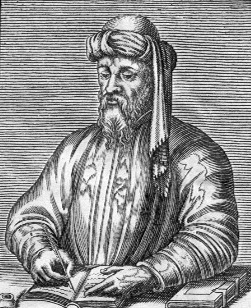
on Abstinence from Animal Food. By T. Taylor
Full title[show]
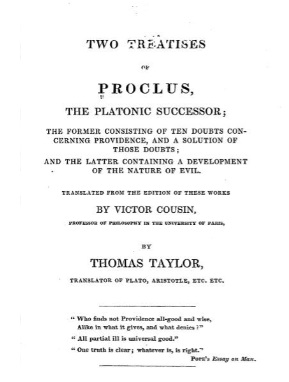
Select works of Porphyry; containing his four books On abstinence from animal food; his treatise On the Homeric cave of the nymphs; and his Auxiliaries to the perception of intelligible natures
The Dial's edition: London, 1823
A framing essay that situates Porphyry within late antique Platonism and introduces the ethical-ascetic and metaphysical stakes of the included treatises (notably vegetarian abstinence and the ascent toward intelligible realities). Translated by Thomas Taylor.
Full textSurvives at Houghton Library
Read by Emerson (see Emerson's Reading), Thoreau (see Thoreau's Reading) & Alcott (see Alcott's Library)